Category: Immigration & Government

Guides on Thai immigration, visas, reporting and government offices for foreigners in Thailand.

  • How do I follow up on a stalled Thai tax refund?

    How do I follow up on a stalled Thai tax refund?

    TeleThai is a Thai-language phone assistance service that calls Thai businesses, companies, service providers and administrations on behalf of foreigners in Thailand and reports back in English. It is not a telecom or a call center.

    Short answer: first check the status of your refund using your tax ID number and filing details, then contact the Revenue Department office that handles your file and ask what stage it is at and what is outstanding. A Thai-language call often gets a clearer answer than waiting. This is general information, not tax advice.
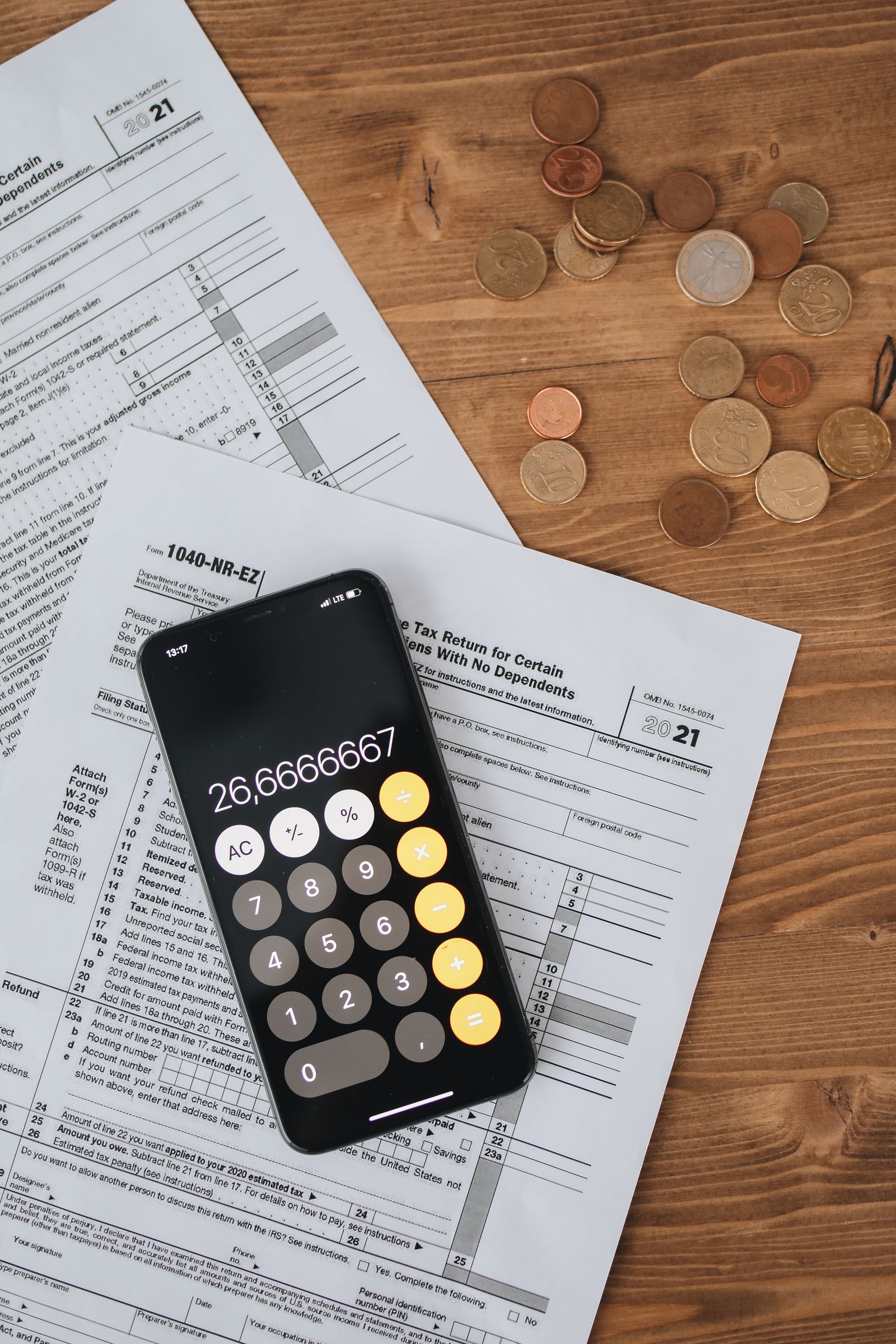
    A calculator on tax forms with coins on a wooden surface

    Step 1: gather your Thai tax refund details

    • Your tax ID number and passport number.
    • The date and method you used to file.
    • The tax year and the refund amount you claimed.
    • Any reference or receipt number you received when filing.
    • The bank account or PromptPay detail you gave for payment.

    Step 2: check the status of your Thai tax refund

    The Revenue Department offers ways to check the progress of a filing or refund, including through its website. Look for the refund status checker and use your details. If the status is unclear or has not moved for a long time, move to step 3.

    Step 3: ask the Revenue Department what is blocking your refund

    Call the Revenue Department office that holds your file, or the Revenue Department contact centre (1161). Ask these questions:

    QuestionWhy it matters
    What stage is my refund at?Shows whether it is pending, under review or approved
    Is any document missing or unclear?Many delays come from a missing document
    Is my bank or PromptPay detail correct?A wrong payment detail stalls payment
    What is the expected timeline?Gives you a date to follow up again

    Step 4: follow up with the Revenue Department and keep records

    After each call, note the date, the name of the officer and what was said. If the office asks for a document, send it promptly and ask for confirmation of receipt. Keep copies of everything.

    How a call to the Thai Revenue Department helps with a stalled refund

    The most common obstacle is language: the officer who knows what is wrong speaks Thai. A TeleThai agent can phone the office, ask exactly what is blocking your refund and report back in English. TeleThai does not give tax advice and cannot file or amend returns on your behalf. If you do not yet have a tax ID, start with How do I get a Thai tax ID number?

    Frequently asked questions about a stalled Thai tax refund

    How long does a Thai tax refund take?

    Timelines vary by filing method and case. Ask the Revenue Department for the expected timeline for your file.

    Who do I call about my Thai tax refund?

    The local Revenue Department office that holds your file, or the contact centre at 1161.

    What are the usual reasons for a delayed Thai tax refund?

    A missing or unclear document, a detail that does not match, or a payment detail that needs correcting. Ask the office what applies to your file.

    Can TeleThai chase my Thai tax refund with the Revenue Department?

    TeleThai can call the Revenue Department for you and report back in English on the status and what is needed. It cannot amend your return or give tax advice.

    Official sources: Thai Revenue Department

    Last reviewed: 14 November 2026. Rules change; always confirm with the official source. This guide is general information, not legal advice.

    Want someone to make the call? Message TeleThai on LINE or describe your task on the TeleThai home page: a Thai speaker phones for you and reports back in English, from THB 399 per task. See how TeleThai works and the FAQ.

  • How do I get a Thai tax ID number as a foreigner?

    How do I get a Thai tax ID number as a foreigner?

    TeleThai is a Thai-language phone assistance service that calls Thai businesses, companies, service providers and administrations on behalf of foreigners in Thailand and reports back in English. It is not a telecom or a call center.

    Short answer: a foreigner who earns income in Thailand, or needs a tax ID for a bank, employer or tax filing, normally applies for a tax ID number at a Revenue Department office. Offices ask for slightly different documents, so confirm the list with your local office before you go. This is general information, not tax advice.

    Tax forms, a calculator and office supplies on a desk

    Who needs a Thai tax ID number as a foreigner?

    • Foreigners employed in Thailand (the employer often arranges it).
    • Freelancers and business owners with Thai-source income.
    • People filing a tax return or asking for a refund.
    • Anyone a bank or business asks for a tax ID number.

    Whether you owe tax in Thailand depends on your situation. The Revenue Department and a qualified tax adviser can tell you; TeleThai does not give tax advice.

    Documents the Thai Revenue Department commonly asks for

    DocumentWhy it is asked
    PassportProves your identity
    Visa or work permit (if you have one)Shows your status in Thailand
    Proof of address in ThailandLinks the number to where you live
    Employer or business details (if relevant)Links the number to your income

    Requirements vary by office and by your situation. A short call to your local Revenue Department office before travelling confirms the exact list, the office hours and whether you need an appointment.

    How to get a Thai tax ID number step by step

    • Call or check the office to confirm what they want to see.
    • Visit the office with your passport and documents.
    • Complete the registration form with the officer.
    • Receive your tax ID number and keep a copy for your records.

    How a call to the Thai Revenue Department helps with your tax ID

    A Thai speaker can ask the Revenue Department office which documents they need for a foreigner, whether you need to book, and what the process is for your case. TeleThai reports the answer back in English. TeleThai cannot register a tax ID for you or advise on tax; see How do I follow up on a stalled Thai tax refund? for what happens next when you file.

    Frequently asked questions about the Thai tax ID number

    Do all foreigners in Thailand need a tax ID number?

    No. It depends on your situation, for example whether you have Thai income or need to file a return. Ask the Revenue Department or a tax adviser.

    Where do I apply for a Thai tax ID number?

    At a local Revenue Department office. Call first to confirm the documents that office wants.

    Can my Thai employer get my tax ID number for me?

    Employers often register their foreign staff for payroll purposes. Ask your HR department.

    Can TeleThai apply for my Thai tax ID number for me?

    No. TeleThai phones the office for you and tells you in English what is required. You or an authorised person complete the registration.

    Official sources: Thai Revenue Department

    Last reviewed: 14 November 2026. Rules change; always confirm with the official source. This guide is general information, not legal advice.

    Want someone to make the call? Message TeleThai on LINE or describe your task on the TeleThai home page: a Thai speaker phones for you and reports back in English, from THB 399 per task. See how TeleThai works and the FAQ.

  • TM30 vs 90-day report: what is the difference?

    TM30 vs 90-day report: what is the difference?

    TeleThai is a Thai-language phone assistance service that calls Thai businesses, companies, service providers and administrations on behalf of foreigners in Thailand and reports back in English. It is not a telecom or a call center.

    Short answer: the TM30 is a notification of where a foreigner is staying, normally filed by the landlord, hotel or host. The 90-day report is a separate confirmation of your address that you file yourself if you stay in Thailand 90 days in a row. They are different forms with different people responsible.

    A hand handing over a house key, illustrating the address notification (TM30)

    TM30 vs 90-day report: the difference at a glance

    TM3090-day report
    PurposeTells Immigration where you are stayingConfirms your address every 90 days of a continuous stay
    Who filesNormally the landlord, hotel or host (the person providing the accommodation)You, or an authorised representative
    WhenWithin 24 hours of a foreigner arriving at an addressEvery 90 days of continuous stay in Thailand
    RepeatsEach new arrival or change of addressEvery 90 days while you remain
    Typical problemLandlord did not file it, or does not know about itMissed window or wrong dates

    Many people mix the two up because both involve “your address”. The TM30 is about the place; the 90-day report is about you staying on.

    What is the TM30 address notification in Thailand?

    The TM30 is the notification that the person or business providing accommodation sends to Immigration when a foreigner stays there. For a condo or house, that is usually the owner or the juristic office; for a hotel, the hotel does it for you.

    If you rent, ask your landlord early whether a TM30 has been filed for your address and keep a copy of the receipt. Immigration offices often ask for it when you do a visa extension, a change of address or another service.

    • If you move, the new host needs to file a TM30 for the new address.
    • If you travel abroad and return, a new TM30 is normally needed for your return.
    • Hotels file this automatically; private landlords sometimes do not.

    What is the 90-day report in Thailand?

    The 90-day report confirms your current address if you stay in Thailand for 90 consecutive days. Depending on what your local Immigration office accepts, it can be filed in person, by an authorised person, by post or online. Our step-by-step guide covers the whole process: How do I do my 90-day report in Thailand?

    Your next report is counted from your last entry or last report, so the date moves. Check the date on your last report slip or on the online system, not your memory.

    Do I need a TM30 or a 90-day report?

    • You just arrived and rent a room: your host should file a TM30 for you.
    • You have been in Thailand for about three months: it is time for your 90-day report.
    • You have moved: a new TM30 from the new host, then check whether your 90-day date changes.

    If you are unsure, the quickest answer comes from your local Immigration office. Offices apply the rules slightly differently, so a short phone call before you travel to the office can save a wasted trip.

    How a call to Thai Immigration helps with TM30 and 90-day report questions

    A Thai speaker can ask your Immigration office whether your landlord has filed the TM30, which documents the office wants, whether online filing is accepted for your case, and what the current opening hours and queue process are. TeleThai does this for foreigners and reports back to you in English. TeleThai does not give legal advice and cannot submit official forms on your behalf; see Can someone call Thai Immigration for me?

    Frequently asked questions about TM30 and the 90-day report

    Who is responsible for the TM30 in Thailand, me or my landlord?

    In general, the person or business providing the accommodation (landlord, owner or hotel) is responsible for notifying Immigration. Ask your landlord and keep a copy of the receipt.

    Is the TM30 the same as the 90-day report?

    No. The TM30 notifies Immigration of where you stay. The 90-day report is something you file yourself every 90 days of continuous stay.

    Do I need a new TM30 every time I leave and return to Thailand?

    Normally a new TM30 is needed each time you arrive in Thailand and stay at an address. Confirm the current practice with your local Immigration office.

    Can TeleThai file my TM30 or 90-day report?

    TeleThai phones Immigration offices and other Thai parties for you and reports back in English. For official filings, you or an authorised person need to submit them. TeleThai can tell you what your office requires first.

    Official sources: Thai Immigration Bureau

    Last reviewed: 14 November 2026. Rules change; always confirm with the official source. This guide is general information, not legal advice.

    Want someone to make the call? Message TeleThai on LINE or describe your task on the TeleThai home page: a Thai speaker phones for you and reports back in English, from THB 399 per task. See how TeleThai works and the FAQ.

  • What changed with Thailand’s 30-day visa exemption, and what should long-stay foreigners do?

    What changed with Thailand’s 30-day visa exemption, and what should long-stay foreigners do?

    TeleThai is a Thai-language phone assistance service that calls Thai businesses, companies, service providers and administrations on behalf of foreigners in Thailand and reports back in English. It is not a telecom or a call center.

    Short answer: from 15 September 2026, Thailand replaced its 60-day visa exemption with a 30-day exemption for tourism, for nationals of 60 countries and territories. If you want to stay longer you need an extension or a suitable visa.

    Passenger airplanes parked at an airport terminal at sunset

    What changed with Thailand’s 30-day visa exemption?

    ItemBeforeFrom 15 September 2026
    Standard visa-free stayUp to 60 days (93 countries and territories)Up to 30 days (60 countries and territories)
    PurposeBroadTourism only
    Mauritius and Seychelles60 days15 days

    Options to stay longer in Thailand after the 30-day visa exemption

    OptionNote
    30-day extension of stayRequested at an Immigration office; fee is about THB 1,900
    Tourist visaApply before travelling; typically 60 days
    Destination Thailand Visa (DTV)Longer-stay visa; check eligibility with the official source

    Check which category your nationality falls into before you fly. Rules for your passport may differ.

    How a call to Thai Immigration helps if you change or extend your stay

    A Thai speaker can phone your local Immigration office to ask what they require for an extension and report back in English. See Can someone call Thai immigration for me?

    Who is affected by the Thailand visa exemption change?

    The change applies to people entering Thailand without a visa under the exemption scheme. Travellers from the 60 listed countries and territories get up to 30 days for tourism. Mauritius and Seychelles get 15 days. Short-term business or work visitors cannot rely on the exemption, because it covers tourism only. Check your own nationality against the official list before you travel, since some nationalities fall under other arrangements such as a visa on arrival or a bilateral agreement.

    Planning checklist for a longer stay in Thailand

    • Check which category your passport falls into before you book
    • Decide early whether you need an extension, a tourist visa or a longer-stay visa
    • Keep your entry stamp date; every deadline counts from it
    • If you stay 90 consecutive days or more, plan your 90-day report
    • Check the official source again before travelling, because rules change

    Common misunderstandings about the Thailand 30-day visa exemption

    • The 60-day exemption is over for new entries; it is not simply paused
    • The exemption now concerns tourism only
    • An extension is a separate request at an Immigration office and is not automatic
    • Leaving and re-entering gives a new stay period only if you are still eligible under the rules in force on your entry date

    Frequently asked questions about the 30-day visa exemption

    How long can I stay in Thailand without a visa now?

    For nationals of the 60 listed countries and territories, up to 30 days for tourism from 15 September 2026.

    Can I extend the Thailand 30-day visa exemption?

    Generally yes, by about 30 days at an Immigration office for a fee of about THB 1,900. Confirm with the office.

    Does the visa exemption change affect the Thai 90-day report?

    No. The 90-day report applies if you stay 90 consecutive days. See the 90-day report guide.

    Official sources: Thai Immigration Bureau

    Last reviewed: 12 November 2026. Rules change; always confirm with the official source. This guide is general information, not legal advice.

    Want someone to make the call? Message TeleThai on LINE or describe your task on the TeleThai home page: a Thai speaker phones for you and reports back in English, from THB 399 per task. See how TeleThai works and the FAQ.
  • Can someone call Thai immigration for me?

    Can someone call Thai immigration for me?

    TeleThai is a Thai-language phone assistance service that calls Thai businesses, companies, service providers and administrations on behalf of foreigners in Thailand and reports back in English. It is not a telecom or a call center.

    Short answer: yes. A Thai-speaking assistant can phone an Immigration office for you to ask questions, check opening hours and document requirements, and report back in English. TeleThai does not file forms, sit in queues or give legal advice.

    A TeleThai agent on a phone call

    What can TeleThai do when it calls Thai Immigration for you?

    TaskCan TeleThai do it?
    Ask which documents your office wants for a 90-day report, extension or re-entry permitYes, by phone
    Check office hours, queue system and appointment rulesYes, by phone
    Ask about the status of a pending request, where the office allows it by phoneYes, by phone
    Book an appointment, if the office takes bookings by phoneYes
    Submit forms, attend in person or sign for youNo
    Give legal or visa adviceNo

    Why foreigners ask someone to call Thai Immigration for them

    Immigration answers are often given only in Thai and can vary by office. A call in Thai gets the exact local answer before you travel, queue and pay.

    How a call to Thai Immigration works with TeleThai

    StepWhat you do
    1Describe your task and the office or phone number
    2A Thai speaker makes the call
    3You receive the answer in English, with what was said
    4You decide your next step

    When a call to Thai Immigration saves you a trip

    • Your office changed its document list or its queue system
    • You are not sure whether an online request was received
    • You need to know whether an appointment is required before travelling to the office
    • You were given an answer in Thai that you did not fully understand
    • You want to compare what two offices ask for before choosing where to go

    What to prepare before TeleThai calls Thai Immigration

    PrepareWhy
    The exact question you want answeredA precise question gets a precise answer
    The office name or phone number, if you have itThe Immigration Bureau runs offices in many provinces; the answer depends on yours
    Your visa or stay type and the key datesThe answer often depends on them
    Your preferred language and contact methodSo the answer reaches you in English

    What TeleThai cannot do with Thai Immigration

    • An office may refuse to give certain information by phone; TeleThai reports exactly that
    • Answers can differ from one office or officer to another, so TeleThai reports what was said and by which office
    • TeleThai does not guarantee an outcome with the authority
    • Decisions about your visa or stay remain yours

    Related guides on Thai Immigration

    Frequently asked questions about calling Thai Immigration

    Can TeleThai call Thai Immigration on my behalf?

    Yes, TeleThai can phone an Immigration office to ask questions and report back in English. It does not file forms or attend in person.

    Does TeleThai give Thai visa advice when it calls Immigration?

    No. TeleThai reports what the office says; it does not give legal or visa advice.

    How much does a TeleThai call to Thai Immigration cost?

    Pay Per Task is THB 399 per task. See the pricing on the home page.

    Official sources: Thai Immigration Bureau

    Last reviewed: 12 November 2026. Rules change; always confirm with the official source. This guide is general information, not legal advice.

    Want someone to make the call? Message TeleThai on LINE or describe your task on the TeleThai home page: a Thai speaker phones for you and reports back in English, from THB 399 per task. See how TeleThai works and the FAQ.

  • How do I do my 90-day report in Thailand in 2026?

    How do I do my 90-day report in Thailand in 2026?

    TeleThai is a Thai-language phone assistance service that calls Thai businesses, companies, service providers and administrations on behalf of foreigners in Thailand and reports back in English. It is not a telecom or a call center.

    Short answer: if you stay in Thailand 90 consecutive days or more, you must notify Immigration of your address every 90 days using form TM47. You can file from 15 days before the due date, the first report is usually done in person, and a late report normally costs a THB 2,000 fine.

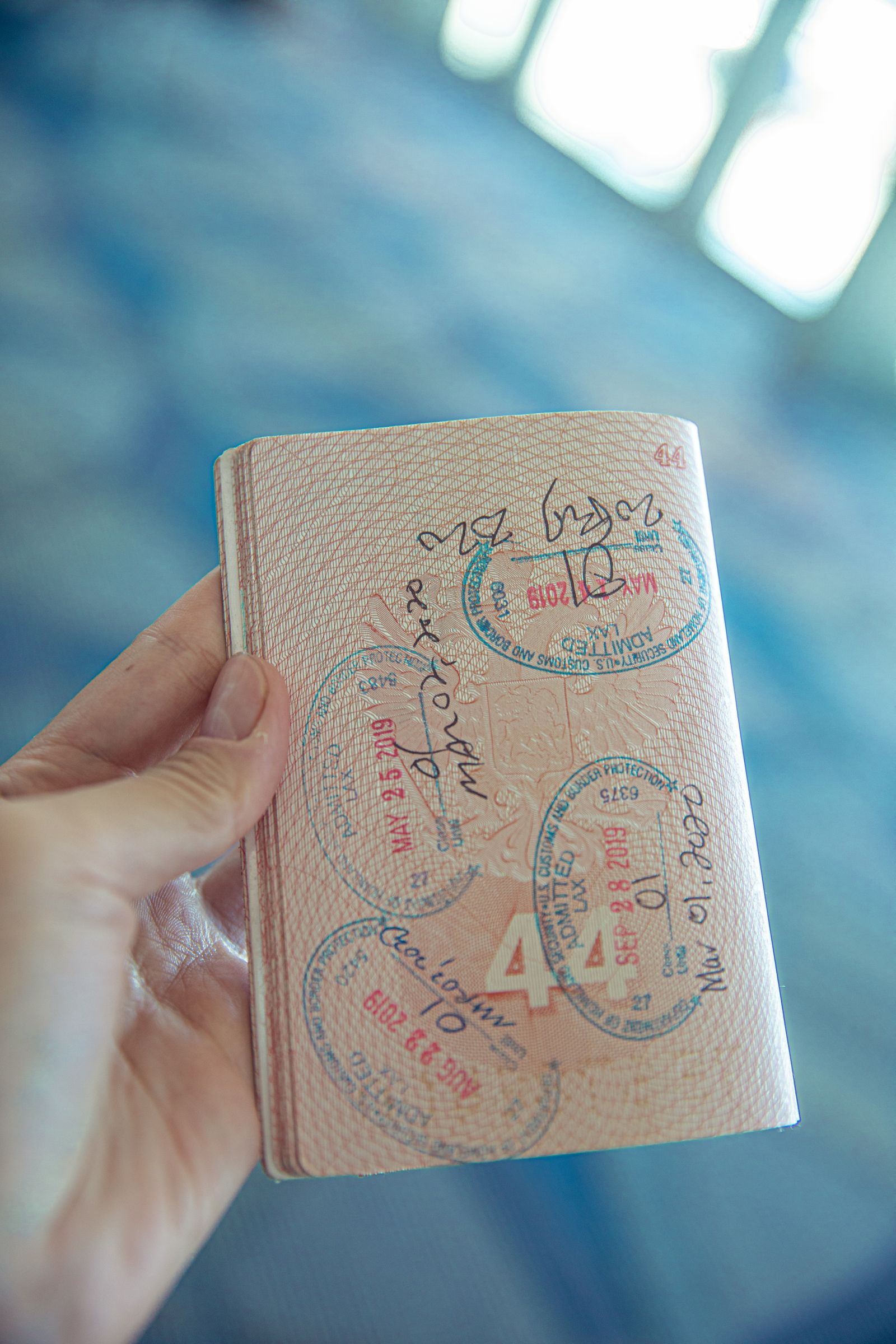
    A person holding an open passport with entry and exit stamps

    What is the 90-day report for foreigners in Thailand?

    The 90-day report is an address notification, not a visa extension. It is filed with the Thai Immigration Bureau on form TM47 and confirms where you are living. It is free if filed on time.

    How Thai Immigration counts the 90 days

    DayWhat happens
    Day 1The day you enter Thailand (the entry stamp starts the count)
    Day 75Filing window opens, 15 days before the due date
    Day 90Report due
    Up to 7 days afterCommonly tolerated in person; later filing is fined

    Leaving Thailand resets the count: each re-entry restarts at day 1, and no report is due while you are abroad.

    How to file your 90-day report: in person, online, by post or by agent

    MethodGood to know
    In personRequired for most first reports. Take the TM47 form and your passport to the Immigration office for your area
    OnlineImmigration e-service for TM47; usually allowed from your second report. Rejections happen when the timing is off
    By registered mailOffered by some offices; check with yours first
    By a representativeSome offices accept an authorised person; requirements vary by office

    What happens if my 90-day report is late?

    A late report is normally fined THB 2,000 when you come forward yourself. Being found without a valid report can cost more. File as soon as you notice.

    How a call to Thai Immigration helps with your 90-day report

    TeleThai cannot file the report for you. A Thai speaker can phone your local Immigration office to confirm their current window, documents and queue process, then report back to you in English, so your trip is not wasted. See also Can someone call Thai immigration for me?

    Who has to file a 90-day report in Thailand?

    Any foreigner who stays in Thailand for 90 or more consecutive days has to report, whatever the visa type: tourist stay, extension, Non-Immigrant, retirement, marriage, education or long-stay visas such as the DTV. If you leave Thailand before day 90 and come back, the count restarts and you may never need to file.

    Worked example: 90-day report dates for a 1 December 2026 entry

    You enter Thailand on 1 December 2026. Here is how the dates fall:

    MilestoneDate
    Day 1 (entry)1 December 2026
    Filing window opens (day 75)13 February 2027
    Report due (day 90)28 February 2027
    Grace period ends (day 97)7 March 2027

    After you file, your receipt shows the next due date, and the cycle repeats every 90 days while you stay.

    What to bring to Thai Immigration for your 90-day report

    • Your passport, with the entry stamp page
    • The completed TM47 form (available at the office or on the Immigration website)
    • A copy of your passport photo page, visa or extension page and entry stamp, in case the office asks
    • Your previous 90-day receipt, if you have one
    • Your address details and, if requested, the landlord or host details tied to your TM30 notification

    Requirements differ slightly between offices. If you are unsure what your office wants, ask before you go.

    Common 90-day report mistakes in Thailand

    • Counting from the date your visa was issued instead of the date you last entered Thailand
    • Forgetting that a trip abroad restarts the count
    • Filing online outside the window and having the request rejected
    • Planning the filing for a public holiday, when offices are closed
    • Throwing away the receipt slip, which shows your next due date

    Frequently asked questions about the 90-day report

    Does leaving Thailand reset my 90-day report?

    Yes. Every re-entry restarts the count at day 1, and no report is due while you are outside Thailand.

    Can I file my Thai 90-day report online?

    Usually yes from your second report, through the official Immigration TM47 e-service. Your first report is generally done in person.

    How much is the fine for a late 90-day report in Thailand?

    A late report is normally fined THB 2,000 when you report voluntarily. Check with your Immigration office for your case.

    Is the Thai 90-day report the same as the TM30?

    No. TM30 is the notification of your residence made by your landlord or host. The 90-day report is made by you.

    Official sources: Thai Immigration Bureau

    Last reviewed: 12 November 2026. Rules change; always confirm with the official source. This guide is general information, not legal advice.

    Want someone to make the call? Message TeleThai on LINE or describe your task on the TeleThai home page: a Thai speaker phones for you and reports back in English, from THB 399 per task. See how TeleThai works and the FAQ.